🚀 Best AI Note-Taking Tools for Students in 2026: 7 Powerful Apps to Study Faster 
Taking notes is one of the most important parts of studying, but it can also be time-consuming and inefficient. Many students struggle to organize their notes, remember key points, and revise effectively.
This is where AI note-taking tools for students become extremely useful. These tools help you create smarter notes, summarize long content, and organize everything automatically.
In this guide, you will discover the best AI tools for note-taking and how to use them effectively.
📚 Why AI Note-Taking Is Important
Traditional note-taking methods are slow and often unorganized. Students write everything manually and later struggle to revise.
Using AI note-taking tools for students helps:
- Save time
- Improve understanding
- Organize notes better
- Revise faster
👉 AI transforms the way you study.
🧠 1. Notion AI – Smart Note Organizer
What it does:
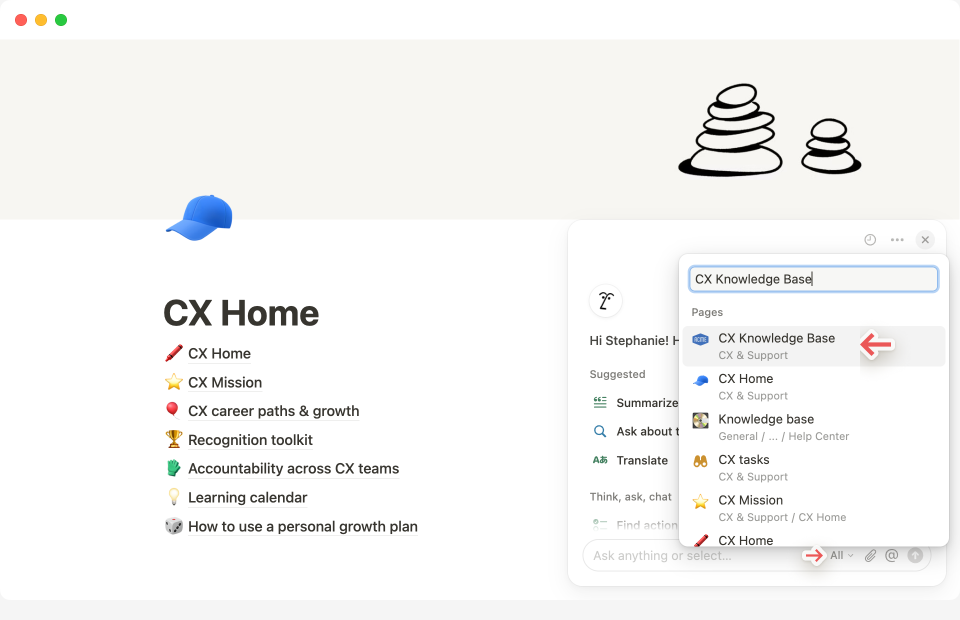
Notion AI helps you create structured notes, summaries, and study plans.
Why students use it:
- Organizes notes automatically
- Creates summaries
- Tracks tasks
👉 Perfect for managing all subjects in one place.
AI Agents and automation
The 2025 Notion 3.0 release introduced AI Agents—autonomous assistants that perform multi-step tasks such as building project plans, updating databases, and drafting documentation. Teams can create Custom Agents that run on schedules or triggers, effectively delegating repetitive tasks to always-on AI coworkers . These agents operate with contextual awareness, drawing information from all permitted workspace content and connected integrations.
Use and pricing
All Business and Enterprise customers receive full AI access starting around US $20 per member per month, with flexible credits for Agent automation beginning May 2026 . Free and Plus plans include limited trial responses for individuals to explore core features.
By embedding artificial intelligence directly in its workspace, Notion AI merges note-taking, collaboration, and automation into a single environment. It exemplifies the broader trend of AI-native productivity suites, enabling over 100 million users to move from documenting work to delegating it
Notion AI → https://www.notion.so
✍️ 2. Evernote – Classic AI Notes Tool
What it does:
Stores notes, images, and documents in one place.
Why students use it:
- Easy to organize notes
- Sync across devices
- Quick search
Evernote → https://evernote.com
Core features
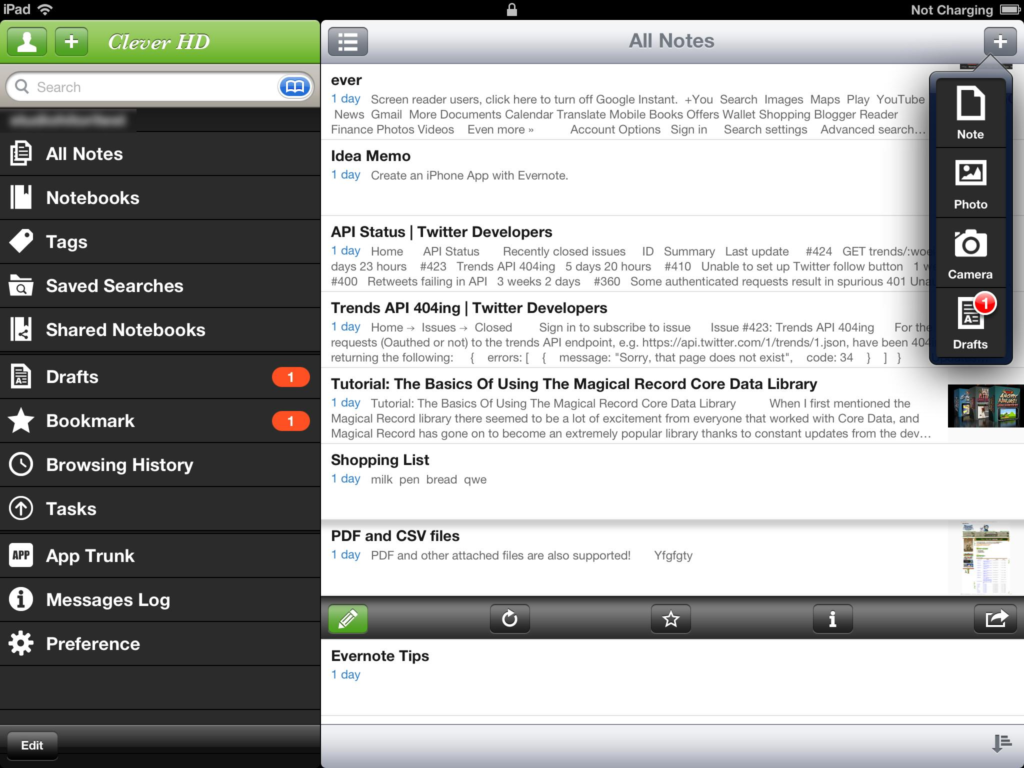
Evernote offers a flexible system of notes organized into notebooks and tagged for retrieval. Its synchronization engine keeps notes consistent across devices, while built-in optical character recognition (OCR) makes text in images searchable. Users can attach PDFs, audio, or scanned documents, and premium tiers enable offline access and expanded storage.
📄 3. Microsoft OneNote – Digital Notebook
What it does:
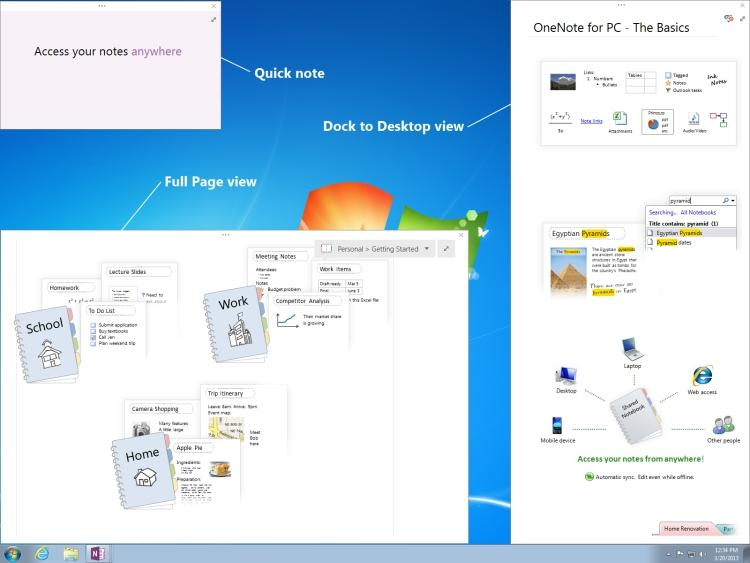
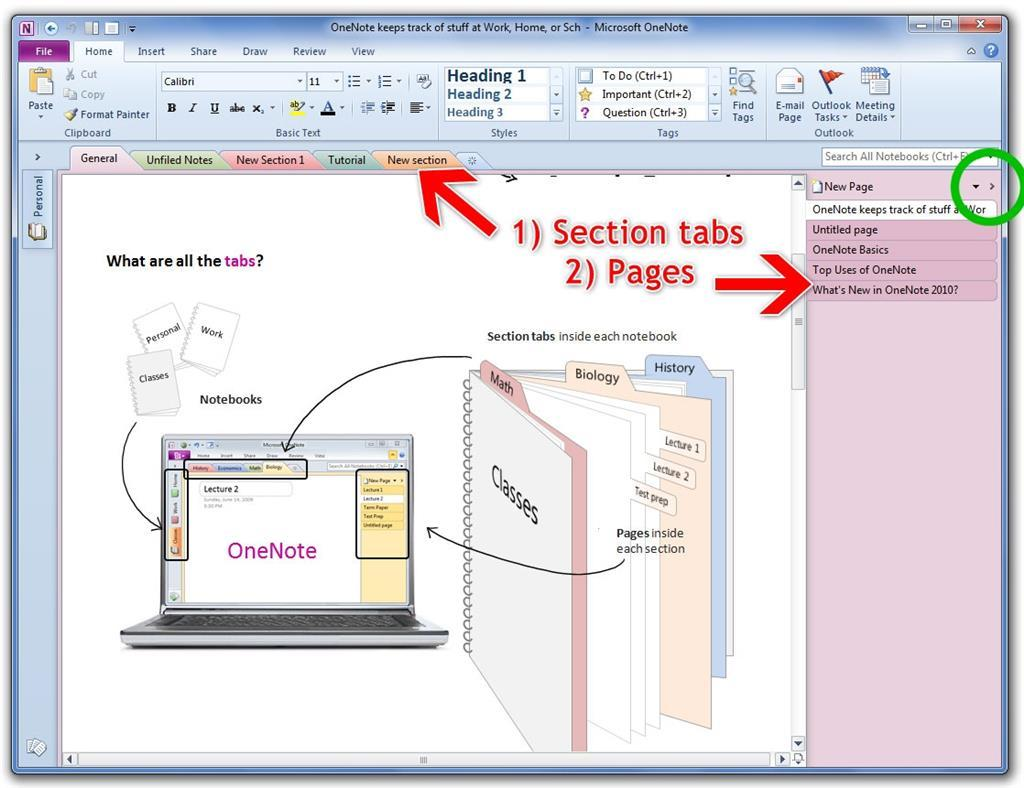
Acts like a digital notebook for writing and organizing notes.
Why students use it:
- Structured note sections
- Handwriting support
- Integration with study tools
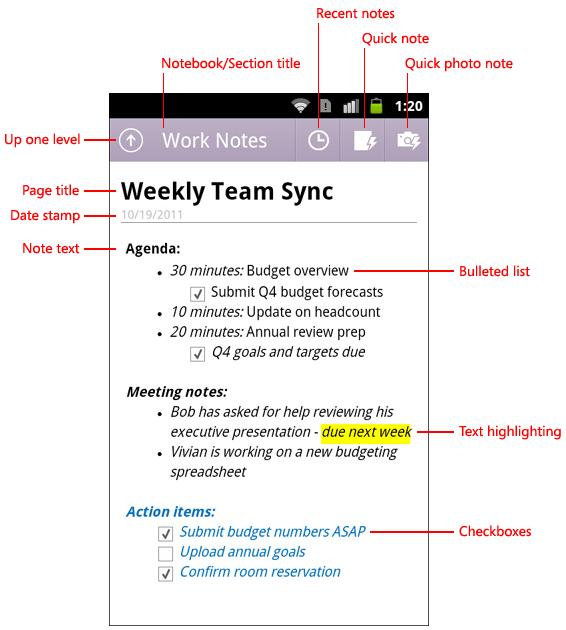
Microsoft OneNote → https://www.onenote.com
🔍 4. Perplexity AI – Research Notes
What it does:
Provides answers with sources.
Why students use it:
- Research topics quickly
- Save important points
- Build accurate notes
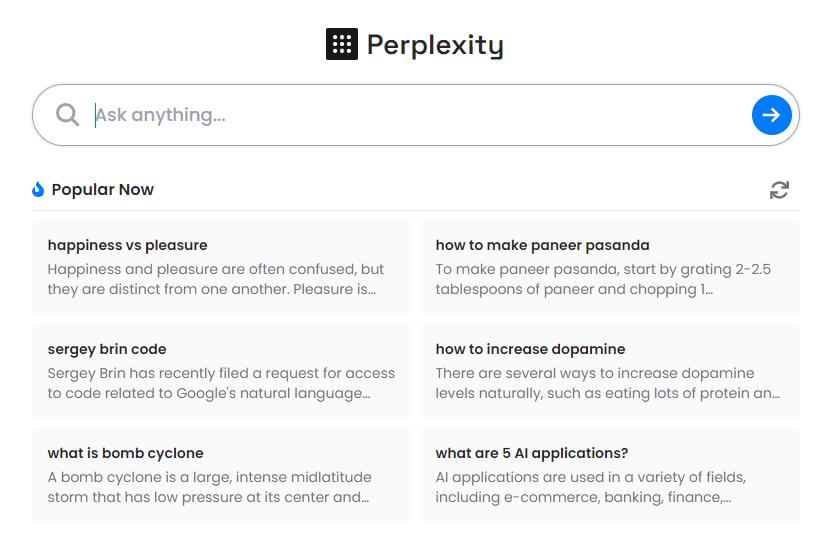
Perplexity AI → https://www.perplexity.ai
Main features and modes
- Answer engine: Natural-language Q&A with live web citations instead of a bare list of links.
- Focus & Copilot modes: Let users constrain search to things like YouTube, academic sources, or news, and ask clarifying questions to narrow the query.
- Deep Research (Pro): Automated long-form research runs, generating structured reports from many sources.
- Document / internal knowledge search (Pro / Enterprise): Upload files or connect internal knowledge bases and search them alongside the web.
- Apps & integrations: Native mobile apps, browser extension, and the Comet AI browser that embeds the assistant directly into web browsing.
📚 5. QuillBot – Summarizing Notes
What it does:
Summarizes and rewrites content.
Why students use it:
- Shorten long chapters
- Simplify language
- Improve notes
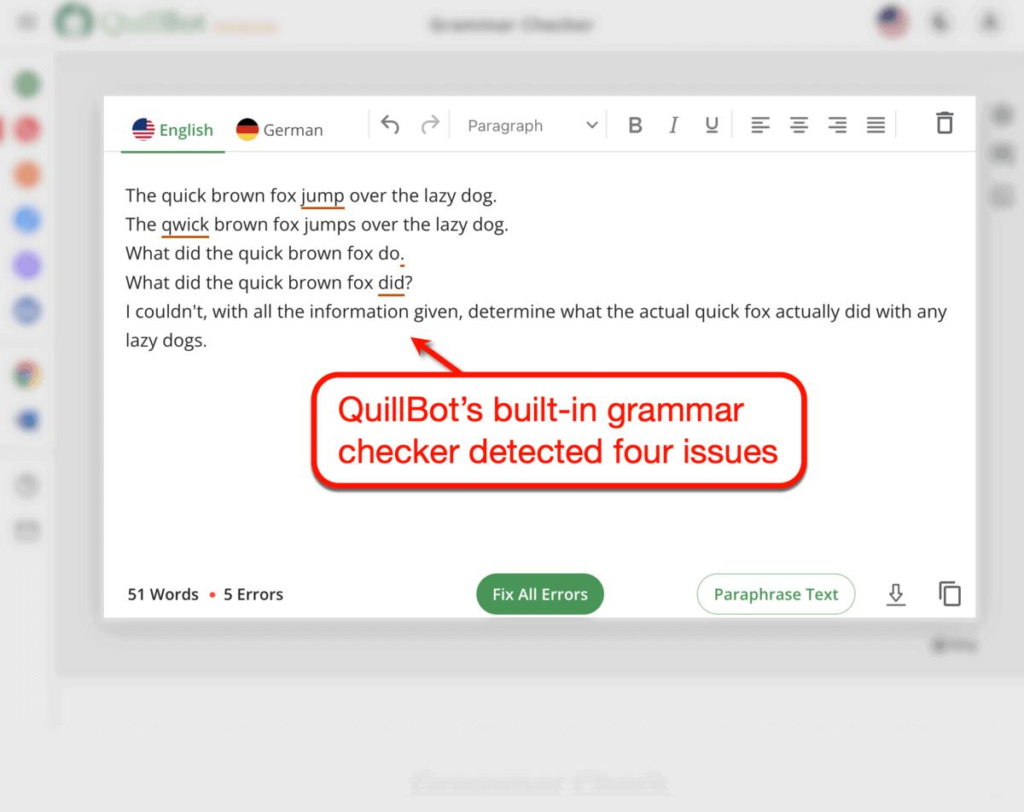
QuillBot → https://quillbot.com🎧 6. Otter.ai – Voice to Notes
What it does:
Converts speech into text notes.
Why students use it:
- Record lectures
- Convert to text
- Review later
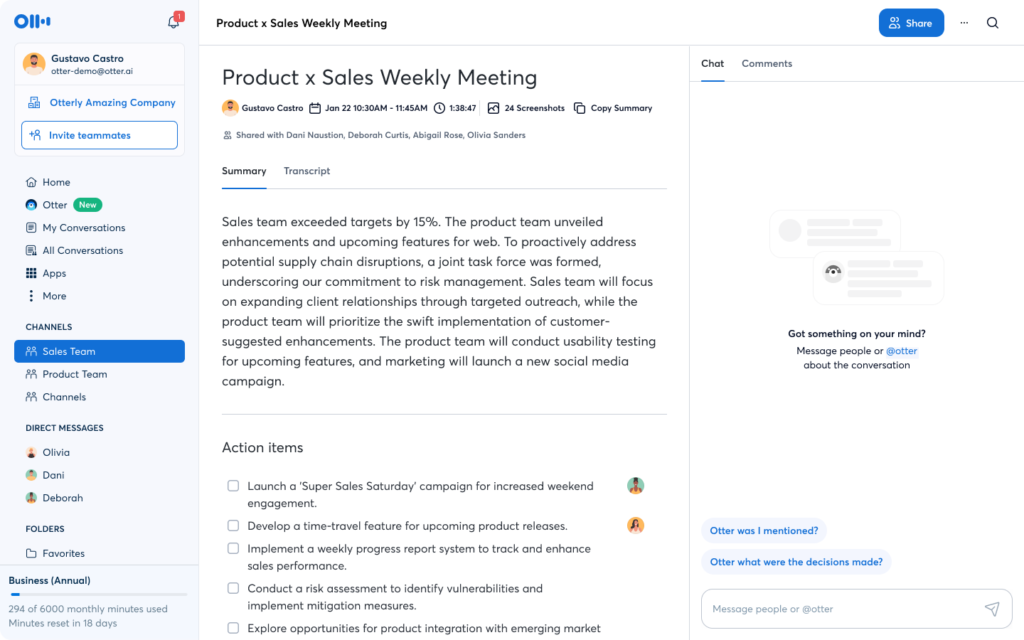
Otter.ai → https://otter.ai
What it does
Otter.ai automatically records audio from meetings or uploaded files, transcribes speech to text in near real time, and displays live captions. Afterward, it generates a timestamped transcript you can search, edit, and share. Features include speaker identification, custom vocabulary, highlights, comments, and “meeting gems” such as action items and key decisions.
Plans and pricing (high level, USD)
Otter has a free Basic tier (about 300 transcription minutes per month, 30-minute cap per conversation, and very limited file imports). Paid Pro and Business plans expand monthly minutes (roughly 1,200 and 6,000+), per-meeting limits (up to 4 hours), imports, and admin features, with annual pricing commonly advertised around $8.33/user/month for Pro and $20/user/month for Business. Enterprise offers custom pricing and controls.
📊 7. Mem – Smart Memory Tool
What it does:
Stores and connects notes intelligently.
Why students use it:
- Finds related notes
- Improves recall
- Organizes ideas
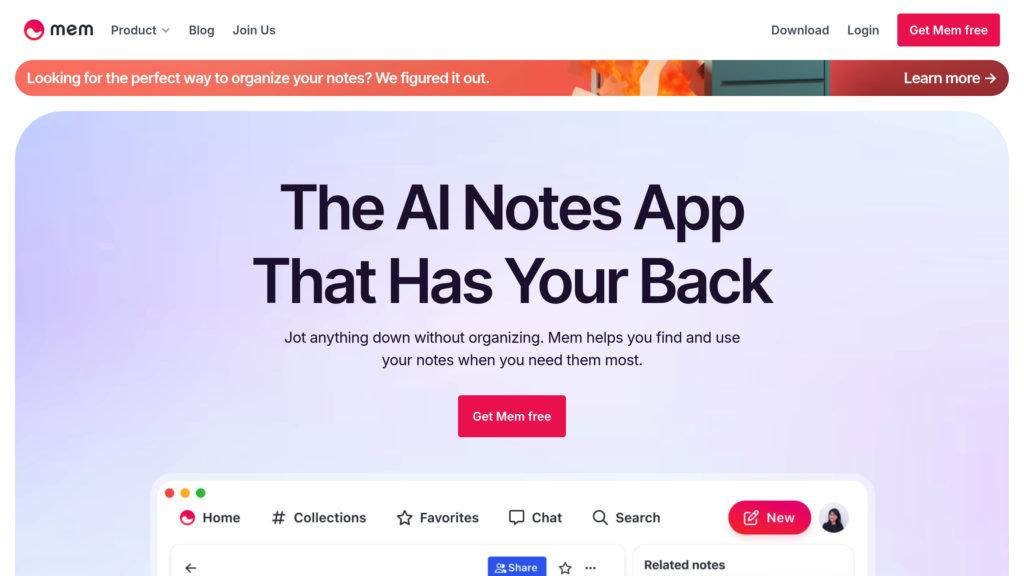
Mem → https://mem.ai
Collaboration and workflows
Mem supports shared workspaces, tagging, and linking to facilitate collaboration within teams. It integrates with tools like calendars and email clients, allowing automatic capture of meeting notes and relevant content. This reduces friction in information retrieval and fosters collective intelligence within organizations.
Reception and adoption
Mem has been recognized in the productivity software sector for reimagining digital memory through AI. Users praise its ability to surface forgotten insights and maintain an evolving personal knowledge base. It competes with apps like Notion, Roam Research, and Obsidian, offering a more autonomous and adaptive approach to knowledge management.
📈 How to Use AI Note-Taking Tools Effectively
To get the best results from AI note-taking tools for students, follow this workflow:
- Use Perplexity AI for research
- Summarize with QuillBot
- Store notes in Notion AI
- Record lectures using Otter.ai
👉 This system saves hours of work.
https://studentaiincomehub.com/best-free-ai-tools-for-students-2026
🌐 External Links
🎯 Conclusion
Using AI note-taking tools for students, you can study smarter, save time, and improve your performance. These tools help you stay organized and make learning more effective.
Start using AI tools today and upgrade your study system.
❓ FAQ SECTION
1. What are AI note-taking tools for students?
They are tools that help students create, organize, and summarize notes using AI.
2. Which is the best tool?
Notion AI is one of the best options.
3. Can AI improve study performance?
Yes, it helps in faster learning and better revision.
4. Are these tools free?
Most tools offer free versions.
5. Can I use multiple tools?
Yes, combining tools gives better results.
6. Is AI note-taking better than manual?
Yes, it is faster and more organized.

Hi, I’m Balaji, founder of Student AI Income Hub. I write practical guides on AI tools, productivity, online income opportunities, and educational technology to help students study smarter, build digital skills, and make informed decisions about AI-powered learning.