Mistakes students make before exams often reduce concentration, increase stress, and affect performance more than students realize. Many students spend long hours studying before exams but still feel unprepared, exhausted, and anxious because of poor study habits and last-minute revision methods.
Exams are stressful for almost every student. Some students prepare weeks in advance, while others begin studying only a few days before the exam.
The problem is not always lack of effort.
In many cases, students make small mistakes before exams without realizing how badly those habits affect concentration, memory, productivity, and confidence.
These mistakes slowly increase stress levels, reduce focus, and make studying feel exhausting.
The good news is that most of these problems can be fixed with smarter study habits and better preparation methods.
This guide explains the biggest mistakes students make before exams and practical ways to avoid them in 2026.
Why Exam Preparation Feels Harder Today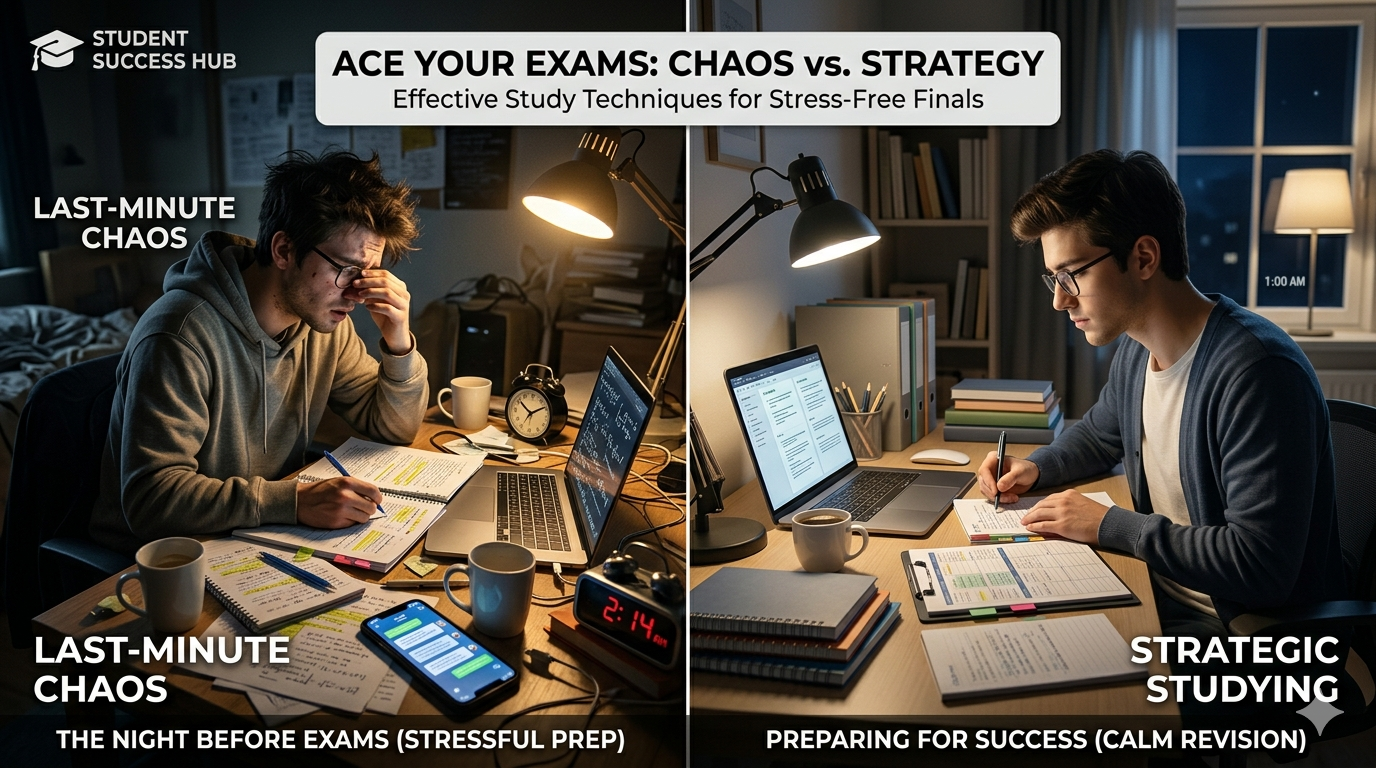
Students today deal with more distractions than ever before.
Instead of focusing only on studying, students constantly face:
- Social media distractions
- Notification overload
- Pressure to score high marks
- Comparison with others
- Lack of sleep
- Burnout from long study sessions
Many students also spend more time worrying about studying than actually studying effectively.
This creates panic, stress, and poor preparation habits before exams.
Many mistakes students make before exams happen because students focus more on study hours instead of using effective revision strategies.
1. Studying the Entire Syllabus at the Last Minute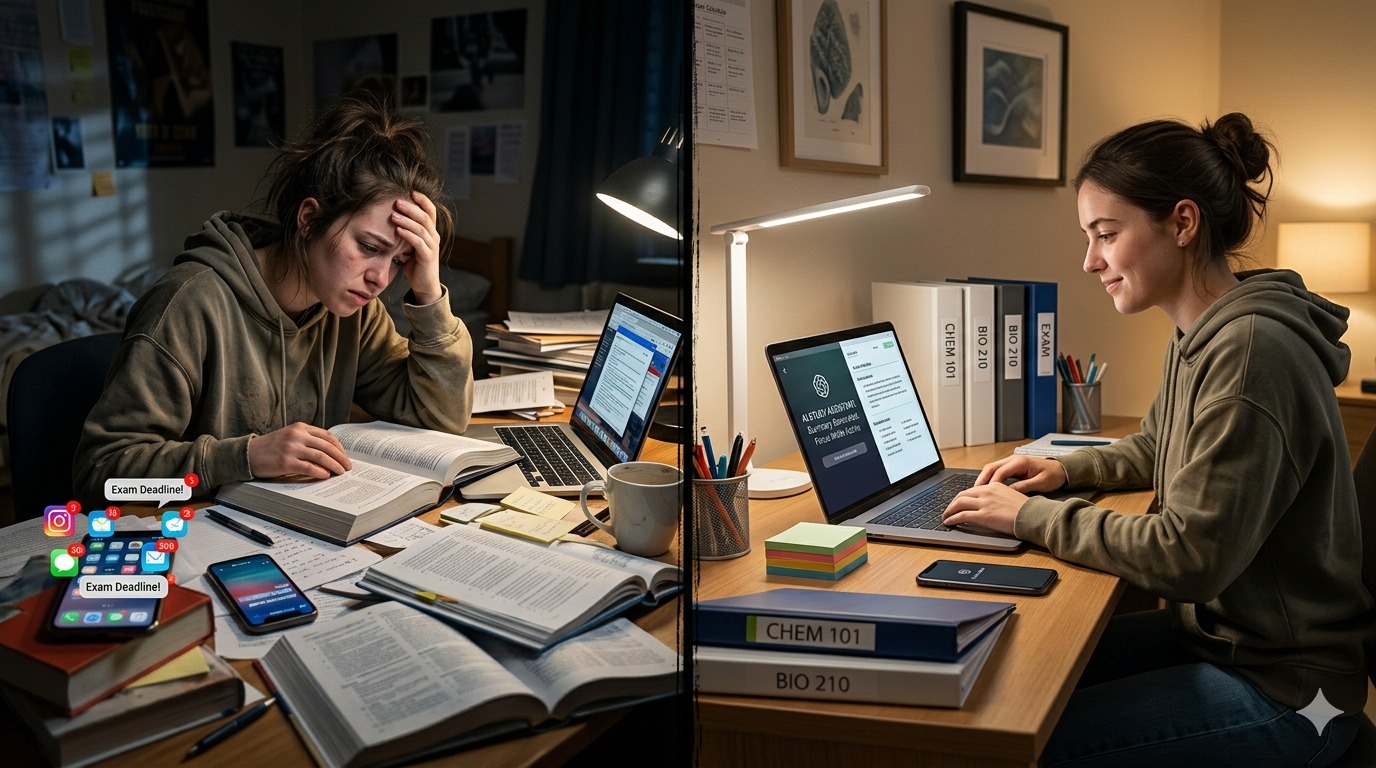
One of the biggest mistakes students make before exams is trying to complete everything in the final few days.
Last-minute studying creates:
- Stress
- Panic
- Mental overload
- Poor memory retention
Students often try to memorize large amounts of information quickly, but the brain struggles to retain concepts under pressure.
A better method is:
- Divide topics into smaller sections
- Study consistently every day
- Revise gradually instead of cramming everything together
Even studying one hour daily earlier is usually more effective than studying all night before exams.
2. Depending Only on Passive Reading
Many students repeatedly read textbooks without actively testing themselves.
This creates the illusion of learning.
However, passive reading often leads to:
- Forgetting information quickly
- Poor understanding
- Weak exam performance
Better alternatives include:
- Solving practice questions
- Writing short summaries
- Teaching concepts aloud
- Using flashcards
- Self-testing regularly
Active learning improves memory much more effectively.
Passive learning remains one of the biggest mistakes students make before exams because students often mistake reading for actual understanding.
3. Sleeping Very Late Before Exams
Students often sacrifice sleep during exam season thinking it helps productivity.
In reality, lack of sleep reduces:
- Concentration
- Memory
- Problem-solving ability
- Focus during exams
Some students spend the entire night studying and feel mentally exhausted during the actual exam.
A properly rested brain performs better than a tired brain filled with stress.
Students should prioritize:
- 7 to 8 hours of sleep
- Consistent sleep schedules
- Short breaks during study sessions
Sleep is part of effective exam preparation.
4. Using Phones Constantly While Studying
Phone distraction is one of the most common productivity problems among students.
Many students:
- Check messages frequently
- Open social media during breaks
- Watch short videos while studying
Even quick distractions interrupt concentration significantly.
Research shows the brain takes time to regain deep focus after interruptions.
Practical ways to reduce distractions:
- Keep phone away from study desk
- Turn off notifications
- Use focus mode apps
- Study in quiet environments
Students who reduce distractions usually finish revision faster and remember information better.
5. Ignoring Revision Until the End
Some students focus only on completing new topics and completely ignore revision.
Without revision:
- Information fades quickly
- Confidence becomes lower
- Students panic before exams
Revision is important because it strengthens memory and improves recall speed during exams.
A smart revision strategy includes:
- Weekly revision sessions
- Quick summary notes
- Practice tests
- Highlighting important formulas and concepts
Students who revise regularly usually feel calmer before exams.
6. Comparing Yourself With Other Students
Many students lose confidence because they compare:
- Study hours
- Marks
- Progress
- Productivity
This creates unnecessary stress and anxiety.
Every student learns differently.
Some students study faster, while others need more revision time.
Constant comparison reduces focus and motivation.
Instead of comparing yourself with toppers, focus on:
- Daily improvement
- Consistency
- Better understanding
- Healthier routines
Small consistent progress matters more than unhealthy competition.
7. Depending Completely on AI Tools
AI tools are useful for:
- Summarizing notes
- Organizing study plans
- Explaining difficult topics
- Improving productivity
However, some students make the mistake of depending completely on AI-generated answers without understanding concepts themselves.
AI should support learning, not replace it.
For example:
- ChatGPT can simplify difficult concepts
- Notion AI helps organize study notes
- Grammarly improves writing quality
Students still need:
- Practice
- Revision
- Understanding
- Problem-solving skills
Real learning happens through active effort.
8. Studying for Long Hours Without Breaks
Many students believe studying continuously for 8 to 10 hours improves results.
In reality, long sessions without breaks reduce concentration and increase burnout.
The brain needs short recovery periods.
One practical method is:
- Study for 45 minutes
- Take a 10-minute break
- Repeat the cycle
Short breaks improve productivity and reduce mental exhaustion.
How Students Can Prepare Better Before Exams
Students do not need perfect schedules or endless study hours.
The most effective exam preparation usually includes:
- Consistent revision
- Healthy sleep
- Reduced distractions
- Active learning
- Realistic study goals
- Balanced routines
Small improvements repeated daily create better long-term results than panic studying before exams.
Common Signs of Poor Exam Preparation
Students often notice these warning signs:
- Forgetting topics quickly
- Feeling stressed constantly
- Studying without concentration
- Revising entire syllabus repeatedly
- Lack of confidence before exams
- Mental exhaustion
Recognizing these signs early helps students fix study habits before exam pressure increases.
https://studentaiincomehub.com/cant-focus-while-studying-anymore/
https://studentaiincomehub.com/study-faster-without-burnout/
Final Thoughts
The biggest mistakes students make before exams are often small habits repeated every day.
Poor sleep, phone distractions, passive reading, panic studying, and unhealthy routines slowly reduce concentration and productivity.
The good news is that students can improve exam preparation significantly through:
- Better routines
- Smarter revision methods
- Reduced distractions
- Consistent practice
- Balanced study schedules
AI tools can also help students organize work and reduce unnecessary workload, but real understanding still comes from active learning and practice.
Students who study smart instead of studying endlessly usually feel more confident, less stressed, and better prepared during exams.
Avoiding common mistakes students make before exams can improve confidence, concentration, and productivity significantly during exam season.
FAQ Section
What are the biggest mistakes students make before exams?
Common mistakes include last-minute studying, poor sleep, passive reading, phone distractions, lack of revision, and unhealthy study routines.
Is studying all night before exams effective?
No. Lack of sleep reduces concentration, memory, and exam performance.
How can students reduce exam stress?
Students can reduce stress through proper planning, regular revision, healthy sleep, and avoiding last-minute panic studying.
Can AI tools help students during exams?
AI tools can help organize notes, summarize topics, and explain concepts, but students should still understand topics themselves.
How long should students study before exams?
Focused study sessions with short breaks are usually more effective than extremely long study hours without rest.

Hi, I’m Balaji, founder of Student AI Income Hub. I write practical guides on AI tools, productivity, online income opportunities, and educational technology to help students study smarter, build digital skills, and make informed decisions about AI-powered learning.