Students feel lost about their future more often than most people realize. A student may appear normal on the outside, attend classes, complete assignments, and spend time with friends, but internally they may be constantly worried about what comes next.
Questions such as:
- What career should I choose?
- Am I studying the right course?
- What if I fail?
- What if I never find a good job?
- Why does everyone else seem to have their life figured out?
These thoughts are common among students around the world.
The truth is that feeling lost does not mean you are failing. In fact, many successful people went through periods of confusion before finding their direction.
The important thing is learning how to move forward even when you do not have all the answers.
Why Students Feel Lost About Their Future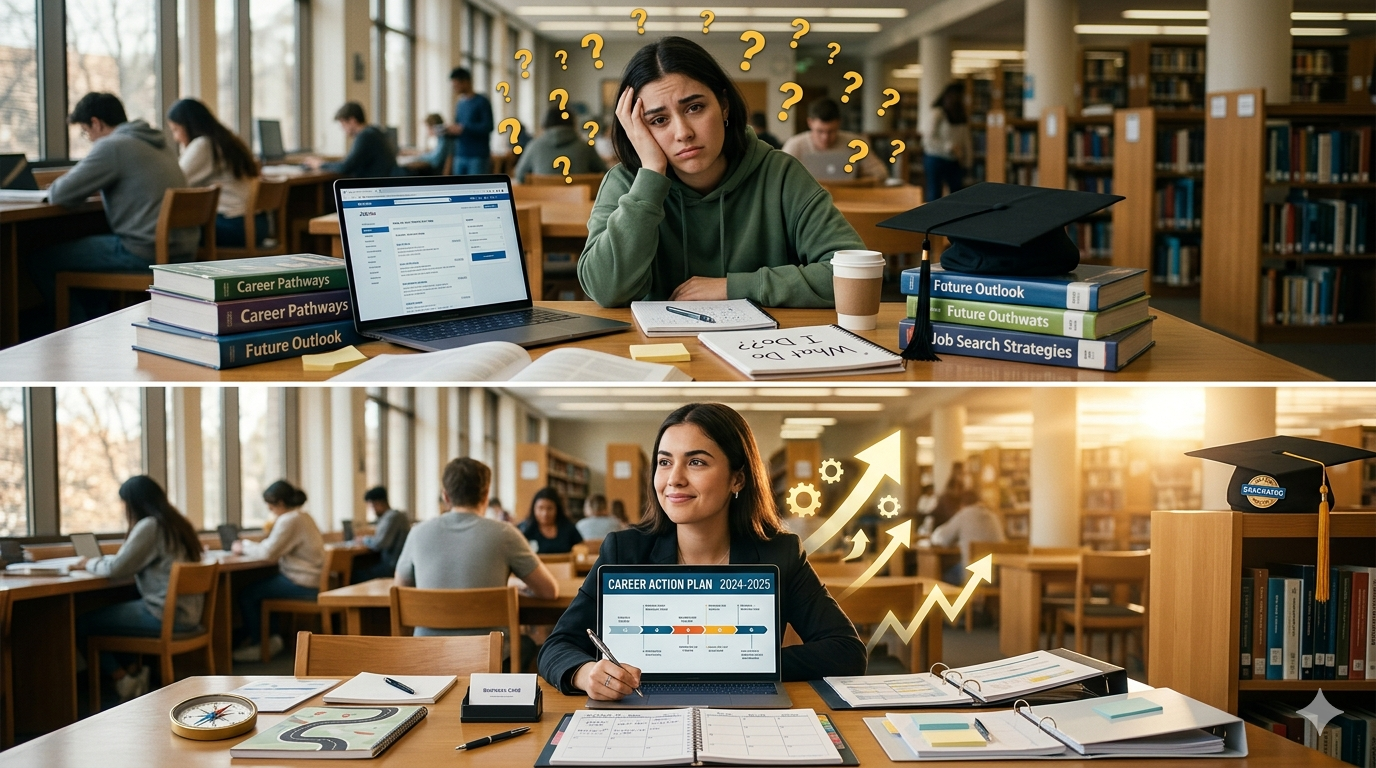
Modern students face more choices and more pressure than previous generations.
Years ago, career paths were often simpler.
Today students must think about:
- Degrees
- Certifications
- Skills
- Internships
- Jobs
- Artificial intelligence
- Remote work
- Entrepreneurship
Having many options sounds good, but it can also create confusion.
When everything seems important, making decisions becomes difficult.
career exploration resources
LINK CLICK HERE : https://www.coursera.org
Students looking for career exploration resources can learn about different industries and skills through platforms like https://www.coursera.org
1. Comparing Themselves to Others
One of the biggest reasons students feel lost about their future is comparison.
Students often compare:
- Marks
- Internships
- Skills
- Income
- Achievements
Social media makes this worse.
A student may see:
- Someone getting placed in a top company
- Someone starting a business
- Someone earning online
and suddenly feel behind.
However, social media rarely shows:
- Failures
- Struggles
- Rejections
- Difficult moments
Comparing your beginning to someone else’s highlight reel creates unnecessary stress.
What to Do Instead
Compare yourself with your past self.
Ask:
- Am I learning?
- Am I improving?
- Am I moving forward?
Progress matters more than comparison.
2. Feeling Pressure to Have Everything Figured Out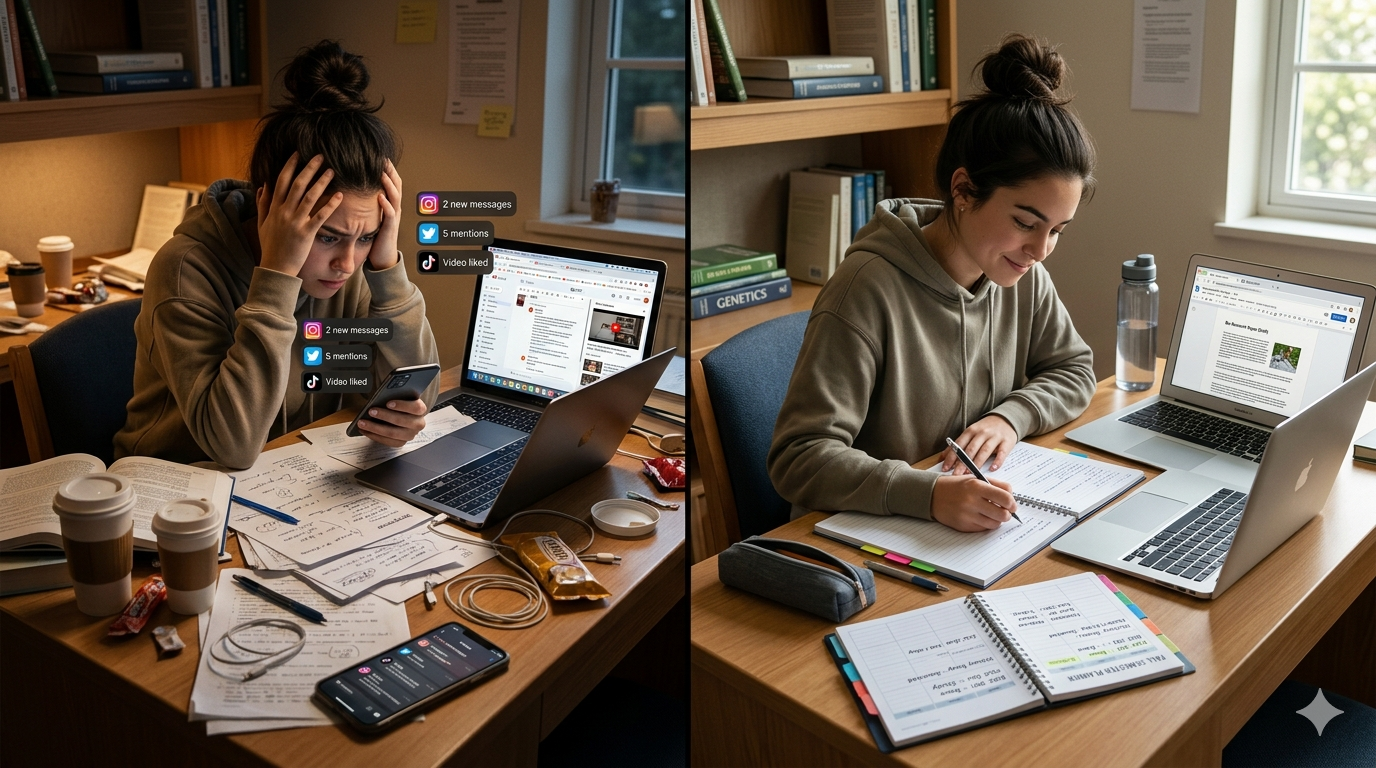
Many students believe they must know exactly what they want by a certain age.
This creates pressure.
The reality is that many adults change:
- Careers
- Industries
- Goals
- Interests
multiple times throughout life.
Not having all the answers at 18, 20, or even 25 is completely normal.
What to Do Instead
Focus on your next step rather than your entire future.
You do not need a 20-year plan.
You need a direction for the next few months.
3. Fear of Making the Wrong Choice
Some students become stuck because they fear making mistakes.
They think:
- What if I choose the wrong career?
- What if I learn the wrong skill?
- What if I regret my decision?
As a result, they delay taking action.
Ironically, not making a decision is also a decision.
What to Do Instead
Treat decisions as experiments.
Try:
- New skills
- Online courses
- Internships
- Projects
Experience provides clarity.
Thinking alone rarely does.
4. Too Many Opinions From Other People
Students often receive advice from:
- Parents
- Friends
- Relatives
- Teachers
- Social media influencers
While advice can be helpful, too many opinions can become overwhelming.
Eventually students stop listening to themselves.
What to Do Instead
Listen to advice, but make decisions based on:
- Your interests
- Your strengths
- Your goals
Your life should not be controlled entirely by other people’s expectations.
5. Lack of Real-World Exposure
Many students feel lost because they have never explored different opportunities.
If your world consists only of:
- Classes
- Exams
- Assignments
it becomes difficult to understand what careers actually involve.
What to Do Instead
Explore:
- Internships
- Freelancing
- Volunteering
- Online projects
- Networking events
Exposure creates awareness.
Awareness creates direction.
6. Thinking Success Happens Quickly
Students often see success stories online and assume successful people achieved everything instantly.
What they do not see:
- Years of learning
- Failures
- Rejections
- Hard work
Success usually takes longer than expected.
What to Do Instead
Focus on consistency.
Small improvements repeated daily often create bigger results than sudden bursts of effort.
Signs You Are Feeling Lost About Your Future
You may be experiencing career confusion if:
- You constantly compare yourself to others
- You feel anxious about the future
- You struggle to make decisions
- You change goals frequently
- You feel stuck despite working hard
- You worry about falling behind
Recognizing these signs is the first step toward improvement.
How to Find Direction When You Feel Lost
The goal is not to find a perfect answer immediately.
The goal is to create momentum.
Step 1: Identify Your Interests
Ask yourself:
- What topics do I enjoy learning about?
- What activities make me lose track of time?
- What problems do I enjoy solving?
Step 2: Learn Valuable Skills
Focus on practical skills such as:
- Communication
- Writing
- Technology
- Problem solving
- Digital skills
Skills create opportunities.
professional career guidance
CLICK HERE : https://www.indeed.com/career-advice
Students seeking professional career guidance can explore practical advice and industry insights at https://www.indeed.com/career-advice
Step 3: Take Small Actions
Instead of worrying about the next ten years:
Take one action today.
Examples:
- Start a project
- Complete a course
- Apply for an internship
- Learn a new skill
Action reduces uncertainty.
Step 4: Accept That Confusion Is Normal
Many successful people felt lost before finding their path.
Confusion is often part of growth.
Do not interpret uncertainty as failure.
How AI Tools Can Help Students Explore Career Paths
AI tools can help students:
- Research careers
- Learn new skills
- Create study plans
- Improve productivity
For example:
- ChatGPT can explain different career options
- Notion AI can organize goals
- Grammarly can improve communication skills
Students interested in improving writing and communication can explore:
career planning information
CLICK HERE: https://www.linkedin.com
Students can also use career planning information available through https://www.linkedin.com to understand job roles, skills, and industry trends.
A Simple Future Planning Framework
Use this method:
Current Position
Where am I now?
Desired Direction
Where do I want to be in 1 year?
Next Action
What can I do this week?
This framework reduces overwhelm and creates clarity.
https://studentaiincomehub.com/students-lose-confidence/
https://studentaiincomehub.com/students-procrastinate/
https://studentaiincomehub.com/destroying-students-productivity/
Final Thoughts
Students feel lost about their future because life often feels uncertain during the student years.
Comparison, pressure, fear, and lack of experience can create confusion.
The important thing to remember is this:
You do not need to have your entire future planned today.
Most successful people discovered their direction gradually through learning, experimentation, and consistent effort.
Focus on:
- Learning
- Improving
- Exploring opportunities
- Taking action
Clarity usually comes after movement, not before it.
Take one step forward today, and let the future unfold one decision at a time.
FAQ Section
Why do students feel lost about their future?
Students feel lost about their future because of comparison, career uncertainty, pressure from others, and fear of making wrong decisions.
Is it normal to feel confused about the future?
Yes. Many students and even adults experience uncertainty while trying to figure out their goals and career paths.
How can students find direction in life?
Students can find direction by exploring interests, learning skills, gaining experience, and taking small consistent actions.
Does everyone have their future figured out?
No. Many people discover their goals gradually through experience and personal growth.
Can AI tools help students choose careers?
AI tools can provide information, guidance, and planning support, but personal interests and real-world experience remain important.

Hi, I’m Balaji, founder of Student AI Income Hub. I write practical guides on AI tools, productivity, online income opportunities, and educational technology to help students study smarter, build digital skills, and make informed decisions about AI-powered learning.