Students lose confidence more often than most people realize. A student may start the academic year feeling motivated and optimistic, but over time, failures, comparisons, pressure, and self-doubt can slowly damage their confidence.
Low confidence affects much more than marks.
It can impact:
- Study performance
- Communication skills
- Decision-making
- Career planning
- Mental well-being
Many students think confidence is something people are born with. In reality, confidence is built through experiences, habits, and mindset.
Understanding why confidence decreases is the first step toward rebuilding it.
Why Students Lose Confidence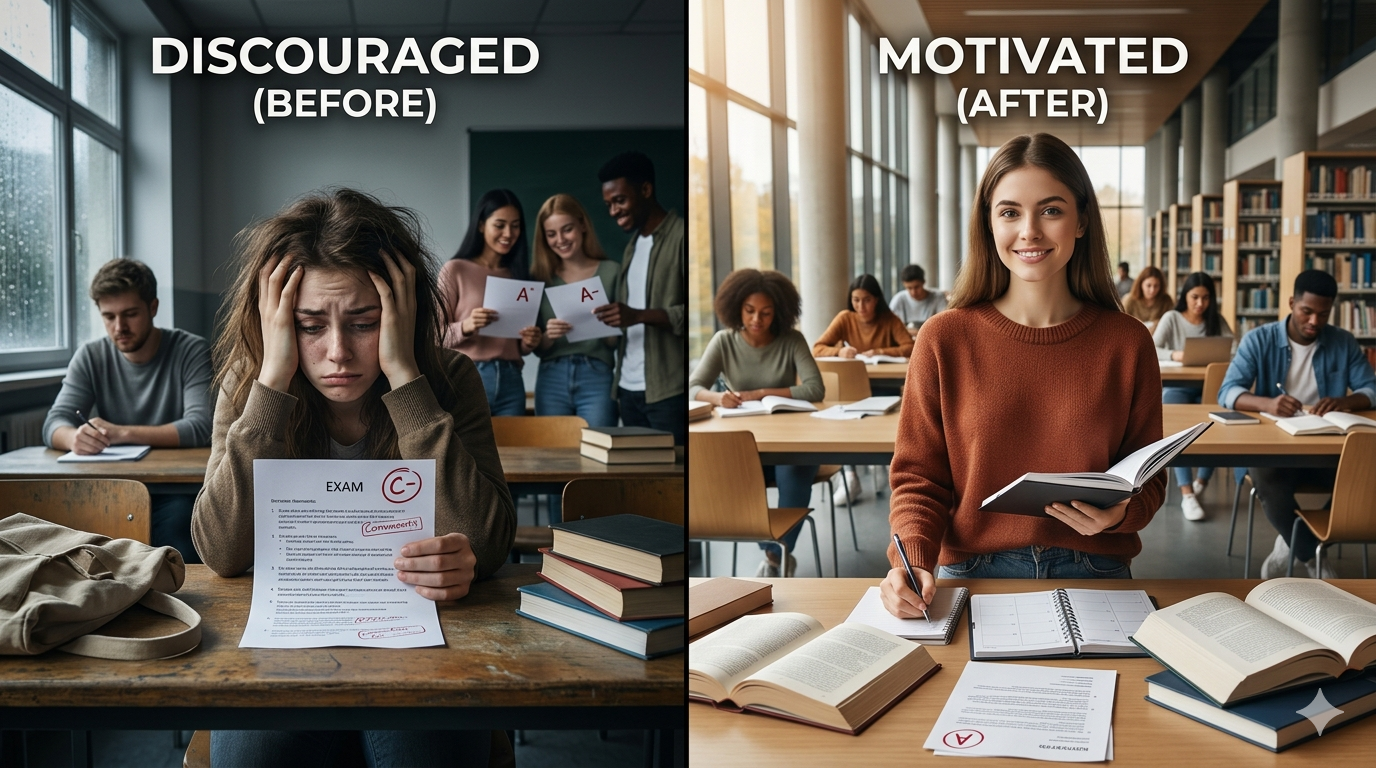
Confidence rarely disappears overnight.
It usually fades gradually through repeated experiences and negative thought patterns.
Common causes include:
- Comparison with others
- Academic failures
- Fear of judgment
- Unrealistic expectations
- Negative self-talk
- Constant pressure
Recognizing these factors can help students regain control.
1. Constantly Comparing Themselves to Others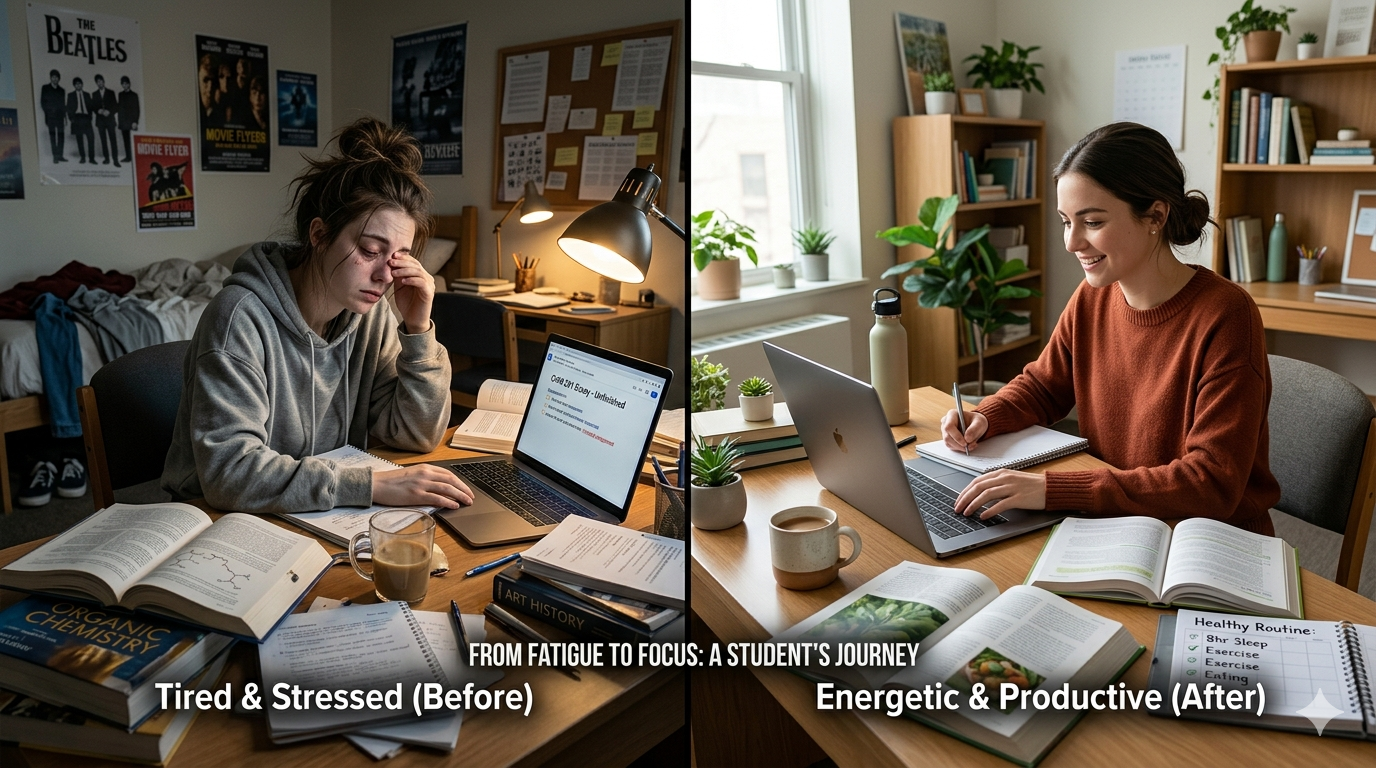
One of the biggest reasons students lose confidence is comparison.
Students often compare:
- Marks
- Skills
- Appearance
- Talents
- Achievements
Social media makes this even worse.
Students see only the highlights of other people’s lives and assume everyone else is doing better.
The truth is that every student has different strengths, weaknesses, and learning speeds.
How to Fix It
Compare yourself only with your previous performance.
Ask:
- Am I improving?
- Did I learn something new?
- Am I making progress?
Personal growth matters more than competition.
2. Fear of Making Mistakes
Many students avoid opportunities because they fear failure.
Examples include:
- Asking questions in class
- Participating in discussions
- Applying for internships
- Trying new skills
The fear of making mistakes often prevents growth.
How to Fix It
Remember:
Mistakes are part of learning.
Every successful person has failed many times before succeeding.
The goal is not to avoid mistakes.
The goal is to learn from them.
3. Low Marks Affecting Self-Worth
Many students believe their marks define their value.
After receiving low scores, they may think:
- I am not smart enough.
- I will never improve.
- Others are better than me.
This mindset can damage confidence significantly.
How to Fix It
Marks measure performance in a specific exam.
They do not measure:
- Intelligence
- Creativity
- Potential
- Future success
Focus on improving skills rather than attaching your identity to marks.
4. Negative Self-Talk
Students often speak to themselves in ways they would never speak to a friend.
Examples:
- I always fail.
- I am useless.
- I cannot do anything right.
These thoughts become powerful over time.
How to Fix It
Replace negative statements with realistic ones.
Instead of:
“I am bad at this.”
Try:
“I am still learning this.”
Small language changes can improve confidence gradually.
5. Lack of Small Successes
Confidence grows through evidence.
If students never acknowledge their progress, they may feel stuck even when they are improving.
Examples of small wins:
- Completing an assignment
- Learning a new concept
- Finishing a chapter
- Improving a test score
How to Fix It
Track progress weekly.
Celebrate small improvements.
Small victories create long-term confidence.
6. Surrounding Themselves With Negative Influences
The people around you influence your mindset.
Students who constantly hear:
- Criticism
- Negativity
- Discouragement
often struggle with confidence.
How to Fix It
Spend more time with:
- Supportive friends
- Positive mentors
- Motivating communities
A healthy environment encourages growth.
Signs That You May Be Losing Confidence
Common signs include:
- Avoiding challenges
- Doubting your abilities
- Fear of speaking up
- Comparing yourself constantly
- Giving up easily
- Feeling discouraged after setbacks
Recognizing these signs early can help you take action.
How AI Tools Can Support Learning Confidence
AI tools cannot create confidence directly, but they can help students learn more effectively.
For example:
- ChatGPT can explain difficult concepts
- Grammarly can improve writing
- Notion AI can organize study plans
These tools help reduce confusion and make learning more manageable.
Students can also improve writing confidence through:
CLICK HERE : https://www.grammarly.com
A Practical Confidence-Building Plan
Follow these simple habits:
Step 1
Stop comparing yourself daily.
Step 2
Set small achievable goals.
Step 3
Track your progress.
Step 4
Learn from mistakes.
Step 5
Practice positive self-talk.
Step 6
Focus on consistency rather than perfection.
Over time, these habits create stronger self-belief.
What Confident Students Do Differently
Confident students are not perfect.
They simply:
- Accept mistakes
- Keep learning
- Take action despite fear
- Focus on growth
- Believe improvement is possible
Confidence comes from action, not waiting to feel ready.
https://studentaiincomehub.com/students-procrastinate/
https://studentaiincomehub.com/ai-resume-builders-for-students/
Final Thoughts
Students lose confidence for many reasons, but confidence can always be rebuilt.
Comparison, fear, failures, and negative thinking often reduce self-belief over time.
The good news is that confidence is a skill.
It grows through:
- Consistent effort
- Small successes
- Positive habits
- Continuous learning
Remember:
You do not need to become the best student overnight.
You only need to become slightly better than you were yesterday.
That is how real confidence grows.
FAQ Section
Why do students lose confidence?
Students lose confidence because of comparison, academic failures, fear of mistakes, negative self-talk, and constant pressure.
Can confidence be rebuilt?
Yes. Confidence can be rebuilt through small achievements, positive habits, and consistent effort.
Do low marks mean a student is not intelligent?
No. Marks measure exam performance, not overall intelligence or future potential.
How can students improve confidence quickly?
Students can improve confidence by setting small goals, tracking progress, learning from mistakes, and avoiding unhealthy comparisons.
Can AI tools help students feel more confident?
AI tools can help students understand concepts and improve productivity, which may reduce confusion and support learning confidence.

Hi, I’m Balaji, founder of Student AI Income Hub. I write practical guides on AI tools, productivity, online income opportunities, and educational technology to help students study smarter, build digital skills, and make informed decisions about AI-powered learning.